
Fiber Termination in Sacramento CA – LC, SC & MPO Fiber Connector Installation
As a Telecommunications Contractor in Sacramento CA, we provide clean, low-loss fiber optic terminations in LC, SC and multi-fiber trunks, mounted in organized patch panels with correct polarity, inspected end faces and test results for every port.
Most fiber optic problems happen at the connectors, not in the glass between them. A dirty end face, a mismatched polish or reversed polarity can stop a link from coming up or slowly degrade network performance and data transmission over time. We terminate each fiber cable with the right connectors and method for each link, mount it in labeled panels and cassettes, and inspect every end face before it is plugged in. As a California C-7 licensed low voltage specialist and the fiber contractor Sacramento businesses rely on (CSLB #[NUMBER]), we handle the whole job from pulling cable to final testing.
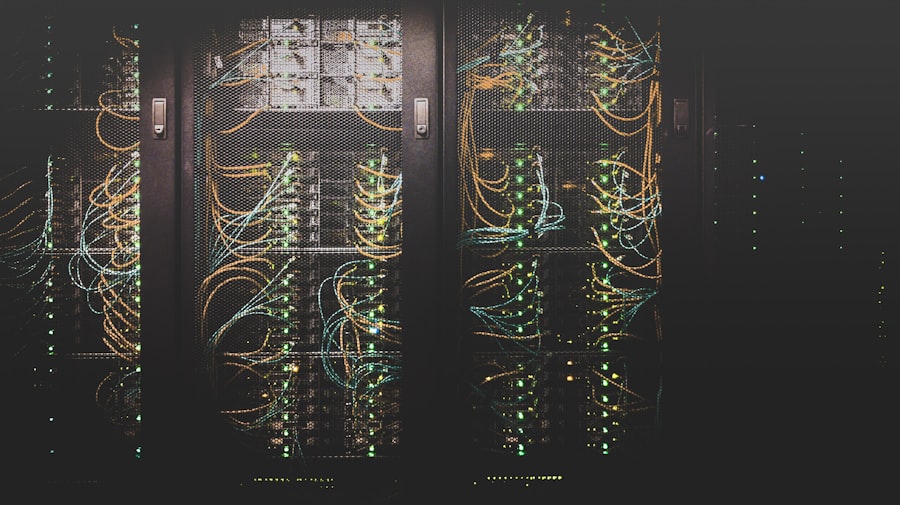
Fiber Optic Termination Work in Sacramento CA
From a 6-strand riser cable to a high-density data room, our Sacramento fiber optic team terminates and organizes fiber so it is easy to patch, easy to trace and simple to maintain. Every fiber optic termination is planned around the equipment it serves, so the finished cabling systems support today’s network and future upgrades. For fusion splicing and fiber repair, see Fiber Optic Splicing.
LC & SC Termination
Single-mode and multimode fiber optic terminations in duplex LC and SC for backbone, riser and equipment links, with each fiber connector matched to the transceiver it plugs into.
MPO Trunks & Cassettes
Pre-terminated multi-fiber trunk cables with breakout cassettes or array adapter panels for high-density data rooms and 40G-plus links.
Patch Panels & Enclosures
Cabinet-mount and wall-mount enclosures with adapter plates, slack storage, organized cable routing and labeled ports for every strand.
Re-Termination & Upgrades
Replacing damaged or legacy ST connectors with LC, or re-terminating links that fail inspection or testing to restore full link performance.
Pre-Terminated Assemblies
Factory-terminated fiber cables built to measured lengths, installed with no field polishing for fast, consistent fiber optic installation results.
End-Face Inspection & Cleaning
Microscope inspection and cleaning of connectors and ports, including existing fiber that is causing link errors on a live network.
Common Termination Types We Install in Sacramento CA
The connectors have to match your network equipment, patch panels and the speed of the link. Connector installation starts with confirming what is already in the rack and whether the link runs on single-mode or multimode optical fiber. These are the types we install most often in Sacramento-area buildings.
| Type | Fibers | Typical use | Notes |
|---|---|---|---|
| LC | 1 (usually paired as duplex) | Switches, transceivers, patch panels in most new installations | Small footprint, the enterprise standard today |
| SC | 1 (simplex or duplex) | Carrier handoffs, older equipment, some passive optical networks | Larger push-pull design, still widely used |
| Multi-fiber array | 8, 12, 16 or 24 | High-density trunks, data rooms, 40G and faster links | Lands in rack MPO cassettes or adapter panels; MTP fiber trunks are a branded version. Requires careful polarity and pin/gender planning |
| ST | 1 | Legacy multimode in older buildings and campuses | Often replaced with LC during upgrades |
Both are multi-fiber push-on optic connectors and will mate with each other when pin and gender are matched.
How Strands Are Terminated in Sacramento CA
Unlike copper wire, glass strands can’t simply be punched down on a block. There is more than one way to terminate a fiber cable, and the best method depends on fiber type, strand count, loss budget and schedule. On larger jobs we often combine methods, using pre-terminated cables in the data room and fusion-spliced pigtails where outside plant fiber enters the building.
| Method | How it works | Best for |
|---|---|---|
| Fusion-spliced pigtails | Factory-polished connectors on short fiber leads, fused to each strand inside a splice tray | Single-mode, backbone and outside plant fiber |
| Splice-on connectors | Factory-polished connectors fused directly onto the fiber, with no separate splice tray | Clean, low-loss terminations with less tray space |
| Pre-terminated trunks | Cables ordered to measured lengths with connectors installed and tested at the factory | Data rooms, multi-fiber systems and fast-track schedules |
| Mechanical or field-polished | Connectors installed and finished in the field without a fusion splicer | Small multimode jobs and quick repairs |
Getting the Details Right: UPC, APC and Polarity in Sacramento CA
Polish type. Single-mode connectors come in UPC (usually blue) and APC (green). APC connectors are angled to reduce reflection and are used for video service and passive optical networks. Mating APC connectors to UPC connectors causes high loss and can damage both, so we match polish types throughout every link.
Polarity. Each link needs the transmit fiber at one end to reach the receive port at the other. We follow the TIA-568.3-D polarity methods for duplex and multi-fiber systems and document the method used, so links work the first time and stay correct through future changes and maintenance.
- Polish type confirmed for every single-mode link
- Color-coded connectors and adapters to prevent mismatches
- Consistent polarity method across the whole system
- Trunk pin and gender planned before cable is ordered
- Strand-by-strand port labeling on both ends
- Polarity verified during testing
Why Every End Face Is Inspected in Sacramento CA
Contamination on an end face is one of the leading causes of fiber optic link problems and poor data transmission. A speck of dust can block part of the fiber core, add loss and transfer to the next end face it touches. Fiber end faces can’t be checked by eye, so we inspect each one under a fiber microscope before it is mated or tested. Many of the Sacramento service calls we get for slow or failing links trace back to dirty connectors.
Inspection results are judged against the IEC 61300-3-35 end-face criteria, and connectors that can’t be cleaned to a passing condition are re-terminated. Clean fiber optics are essential for consistent network performance at 10G and faster.
- All connectors inspected with a fiber microscope
- Cleaned with fiber-specific cleaning tools, then re-inspected
- Adapter ports cleaned as well as connectors
- Dust caps installed on unused ports
- Loss on each mated pair compared with the 0.75 dB limit
- Loss, length and polarity testing on every finished link
Termination Problems We Fix in Sacramento CA
Most termination problems have straightforward solutions once the cause is found.
Link won’t come up
Often reversed polarity or mismatched connectors. We trace the link and correct it.
Intermittent errors
Dirty or scratched end faces cause network errors that come and go. We inspect, clean or re-terminate.
APC mated to UPC
Mixed polish types cause high loss. We identify and replace mismatched connectors and cords.
Overcrowded panels and poor cable management
We re-organize slack, cable routing and adapters, or move to higher-density cassettes.
Legacy ST terminations
We re-terminate to LC so the fiber works with modern equipment and data rates.
Unlabeled strands
We trace every strand and label panels so changes are fast and safe.
Our Termination Process in Sacramento CA
Review equipment and links
We confirm the connectors on your switches, fiber type, strand count and polarity method.
Select method and panels
We choose the termination method and the enclosures, adapter plates or cassettes for each location, along with the cables needed to reach them.
Prepare and route strands
Each cable is routed into enclosures with slack storage and no tight bends.
Terminate
Connectors are fused, installed or plugged in according to the chosen method.
Inspect and clean
Every end face is inspected under a microscope and cleaned to a passing condition.
Test, label and document
Links are tested for loss, length and polarity, labeled strand by strand and documented.
Termination FAQs in Sacramento CA
Which termination style should we use?
LC is the most common choice for new enterprise installations because it is small, high density and used by most network equipment. SC is still common in carrier and older equipment. Multi-fiber array connectors are used for high-density trunks and 40G and faster links. We match the connectors to your switches and patch panels.
What is the difference between UPC and APC connectors?
UPC connectors have a flat, slightly domed end face and are usually blue on single-mode. APC connectors are polished at an 8-degree angle and are green. APC reflects less light back down the fiber, which matters for video and passive optical networks. The two must never be mated together, because the mismatched end faces cause high loss and can damage both connectors.
How much loss does a termination add?
TIA-568.3-D allows up to 0.75 dB per mated pair of connectors. Good factory-polished and splice-on connectors are typically far below that. We inspect, clean and test every termination and re-terminate any that are out of tolerance.
Can damaged fiber connectors be repaired?
Scratched, chipped or contaminated connectors that can’t be cleaned are cut off and the fiber is re-terminated with new connectors, usually by fusion splicing pigtails or splice-on connectors. The new termination is inspected and tested before it goes back into service.
What is fiber polarity and why does it matter?
Fiber links use one fiber to transmit and another to receive, so the transmit fiber at one end must connect to the receive port at the other. Polarity describes how fibers are arranged to make that happen. If polarity is wrong, the link won’t come up. We follow the TIA-568.3-D polarity methods and label everything so it stays correct through future changes.
Request Fiber Optic Termination in Sacramento CA
Tell us the fiber type, strand count, the connectors your equipment uses and where the fiber needs to land. We will recommend a method and send an itemized quote for the fiber optic installation.
New strands to terminate or old links acting up?
Whether you need a new fiber optic patch panel terminated or an existing link that won’t stay up, we will inspect, terminate and test it and give you the results in writing, along with solutions for anything that fails.
(279) 206-4379 Request a Quote